
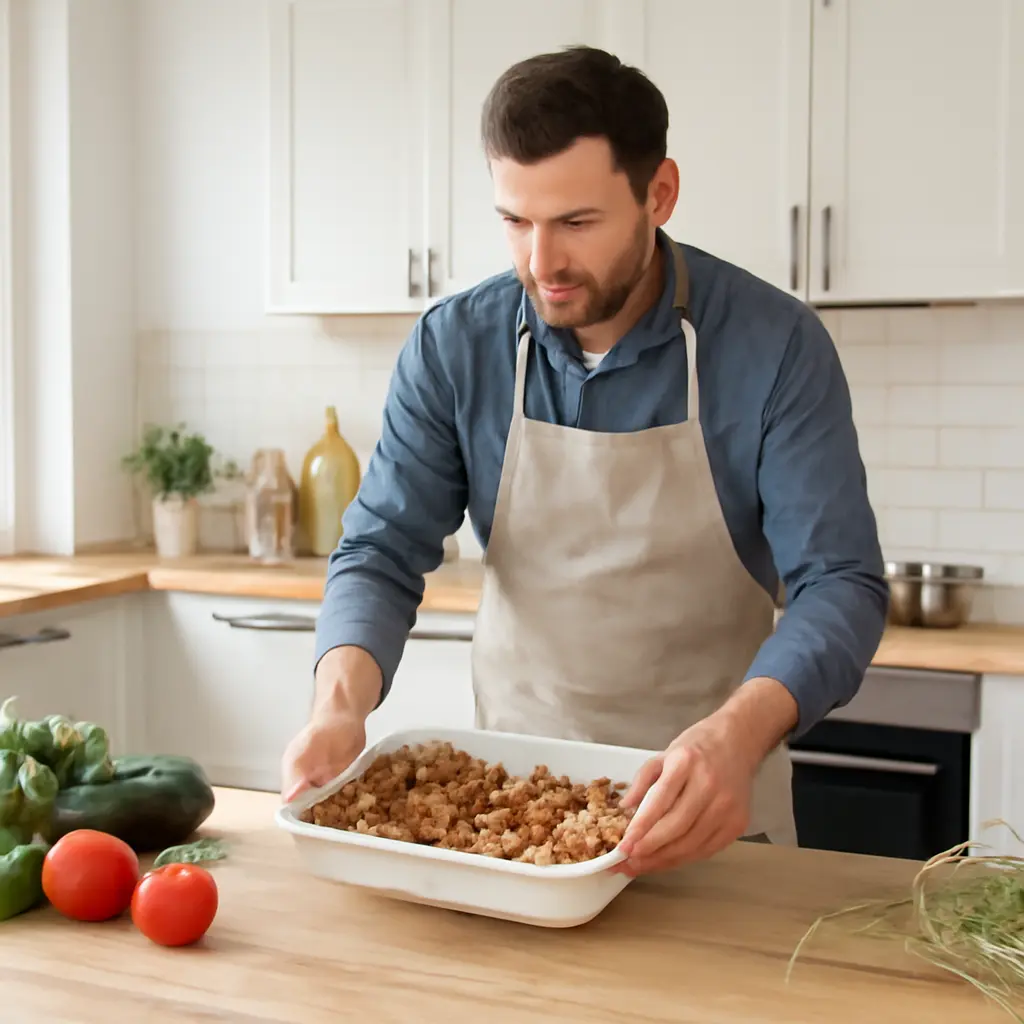
Baked shrimp casseroles are oven-cooked dishes that combine shrimp with ingredients such as vegetables, grains, pasta, sauce, and a crisp or cheesy topping. They can make weeknight cooking easier by bringing protein and sides together in one dish, with preparation that can often be done ahead. The USDA recommends cooking seafood to 145°F, while the FDA advises consumers to choose seafood carefully and keep it safely chilled—useful basics for making shrimp casseroles convenient as well as safe. Below, we look at what makes a casserole work, the variations worth trying, and practical steps for planning, cooking, and storing one.
Baked shrimp casserole ingredients make weeknight dinners adaptable
A baked shrimp casserole is a layered or mixed dish cooked in an oven, typically combining shrimp with a starch, vegetables, a binding liquid or sauce, and optional toppings. There is no single official culinary definition; in everyday cooking, the defining feature is that these components bake together in one dish. Shrimp casseroles can be creamy, tomato-based, rice-centered, pasta-based, or vegetable-forward, so the format accommodates different tastes and pantry ingredients.
The appeal is practical rather than magical: a casserole can consolidate several dinner components, and some of the prep—such as chopping vegetables or cooking rice—can happen in advance. Shrimp itself cooks quickly, so adding it at the right point matters. If it is baked too long, it can become firm and rubbery; if the other ingredients need a long cooking time, cook or partially cook them before adding the shrimp.
Shrimp supplies protein and cooks quickly
Shrimp is a lean seafood option that can provide protein without requiring lengthy oven cooking. The USDA FoodData Central database reports that cooked shrimp contains about 24 grams of protein per 100 grams, although nutrition varies with species, preparation, and added ingredients. That figure describes shrimp alone, not a finished casserole, which may also contain cheese, butter, cream, rice, or breadcrumbs.
For a balanced dish, pair shrimp with vegetables and a grain or other starch, then use rich sauces and toppings according to preference. Bell pepper, spinach, peas, broccoli, tomatoes, and mushrooms are common choices. Their moisture content differs, so watery vegetables may benefit from sautéing or draining before they go into the baking dish.
A casserole’s starch and sauce shape its texture
Rice, pasta, potatoes, and bread crumbs are common casserole partners, but they behave differently in the oven. Cooked rice and pasta absorb sauce; raw grains need an adequate amount of liquid and enough time to cook. A creamy sauce creates a cohesive, comfort-food texture, while a tomato or broth-based sauce usually produces a lighter result. The key is to account for how much liquid the starch will absorb rather than relying on guesswork.
A crunchy topping—such as panko, crushed crackers, or breadcrumbs—adds contrast. Add it near the end of cooking if the casserole will bake for a long time, or toast it separately and scatter it over the finished dish. This helps prevent a topping from becoming overly dark before the center is hot.
Baked shrimp casserole variations suit different weeknight routines
The main casserole styles are defined by their base: rice, pasta, vegetables, or a sauce-led combination. Choosing that base first makes the rest of the meal easier to plan. It also helps determine whether the ingredients should be assembled ahead or cooked in stages.
Rice-based shrimp casseroles use familiar pantry ingredients
A rice casserole combines shrimp with cooked rice, vegetables, and a sauce or seasoning mixture. It is a useful way to use leftover rice, provided the rice has been refrigerated promptly and handled safely. Add cooked rice to the dish with enough sauce to keep it moist, and avoid baking shrimp for the full time required by uncooked rice. For a one-dish version using uncooked rice, follow a tested recipe that specifies the liquid ratio, pan size, and timing.
Pasta casseroles offer a make-ahead option
Pasta-based casseroles pair shrimp with cooked noodles and a sauce such as tomato, garlic cream, or a light cheese sauce. Cook pasta just shy of the desired tenderness before baking, since it will continue to soften in the oven. For advance preparation, assemble the sauce, vegetables, and pasta separately or follow a recipe designed for refrigeration; add shrimp close to baking time when possible to reduce the risk of overcooking.
Vegetable-forward casseroles keep the meal flexible
A vegetable-forward casserole emphasizes produce and uses shrimp as the protein. Zucchini, spinach, tomatoes, cauliflower, and peppers can all work, but vegetables release different amounts of water. Cook or drain especially moist ingredients first, and use a shallow dish if you want more surface area for browning. This approach is easy to adapt to seasonal produce, though the finished nutrition profile depends on the full recipe and serving size.
Baked shrimp casserole food safety depends on temperature and timing
Safe handling is essential because shrimp is perishable seafood. The USDA Food Safety and Inspection Service recommends cooking fish and shellfish to an internal temperature of 145°F. Check the thickest shrimp or the center of the casserole with a food thermometer; appearance alone is less reliable, particularly in a sauced dish. The casserole should also be hot throughout, not merely browned on top.
Thaw and handle shrimp carefully
Thaw frozen shrimp in the refrigerator, under cold running water in a sealed package, or in the microwave if it will be cooked immediately. Do not leave seafood at room temperature to thaw. Keep raw shrimp separate from ready-to-eat foods, wash hands and utensils after contact, and follow package instructions. The FDA’s seafood advice also recommends checking that fresh seafood is properly chilled and has a mild smell rather than a strong, sour, or ammonia-like odor.
Cool and store leftovers promptly
Refrigerate leftovers within two hours of cooking, or within one hour when the surrounding temperature is above 90°F, according to USDA guidance. Store them in shallow, covered containers so they cool more quickly. Use refrigerated leftovers within three to four days, and reheat them to 165°F. For the best texture, reheat only the portion you plan to eat; repeated heating can make shrimp tougher.
Baked shrimp casserole planning can simplify the evening
A casserole is most useful when the recipe matches the time and equipment available. Prep vegetables and measure seasonings earlier in the day, use already-cooked rice or pasta when appropriate, and choose a recipe with clear guidance on whether it can be assembled in advance. Keep uncooked shrimp refrigerated until it is time to assemble or bake the dish.
For a dependable result, follow this sequence:
- Choose a tested recipe and confirm whether its rice, pasta, or vegetables need pre-cooking.
- Prepare the sauce and moisture-prone vegetables before combining the ingredients.
- Add shrimp according to the recipe’s timing, especially if other components require a longer bake.
- Check the casserole with a food thermometer and serve once the shrimp reaches 145°F.
A simple example is a rice-and-spinach casserole made with cooked rice, sautéed spinach, a modest amount of sauce, and shrimp added near the end of baking. The exact cooking time depends on the recipe, dish depth, oven, and whether ingredients start cold, so a thermometer and recipe-specific directions are more reliable than a universal time estimate.
Conclusion: baked shrimp casseroles make a flexible dinner format
Baked shrimp casseroles bring seafood, starch, vegetables, and sauce together in a format that can fit different weeknight routines. Rice, pasta, and vegetable-forward versions offer distinct textures and planning options, while careful timing protects shrimp from overcooking. Use safe thawing and storage practices, verify that seafood reaches 145°F, and choose a tested recipe suited to the ingredients you have. Start with one base—rice, pasta, or vegetables—and adapt the seasonings and produce to make the dish your own.
Sources: USDA FoodData Central, “Shrimp, cooked,” https://fdc.nal.usda.gov/; USDA Food Safety and Inspection Service, “Safe Minimum Internal Temperature Chart,” https://www.fsis.usda.gov/food-safety/safe-food-handling-and-preparation/food-safety-basics/safe-temperature-chart; U.S. Food and Drug Administration, “Selecting and Serving Fresh and Frozen Seafood Safely,” https://www.fda.gov/consumers/consumer-updates/selecting-and-serving-fresh-and-frozen-seafood-safely; USDA Food Safety and Inspection Service, “Leftovers and Food Safety,” https://www.fsis.usda.gov/food-safety/safe-food-handling-and-preparation/food-safety-basics/leftovers-and-food-safety.


